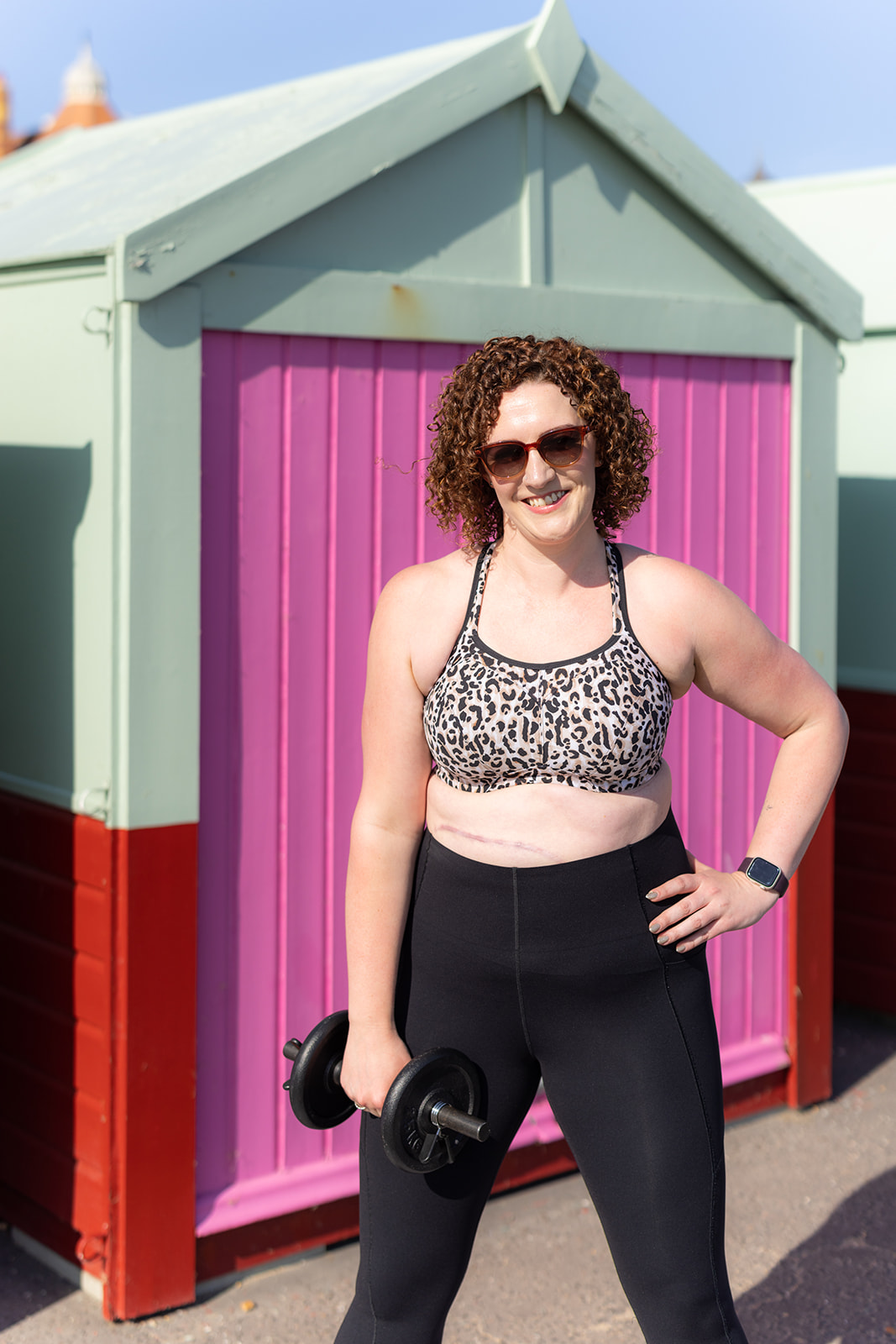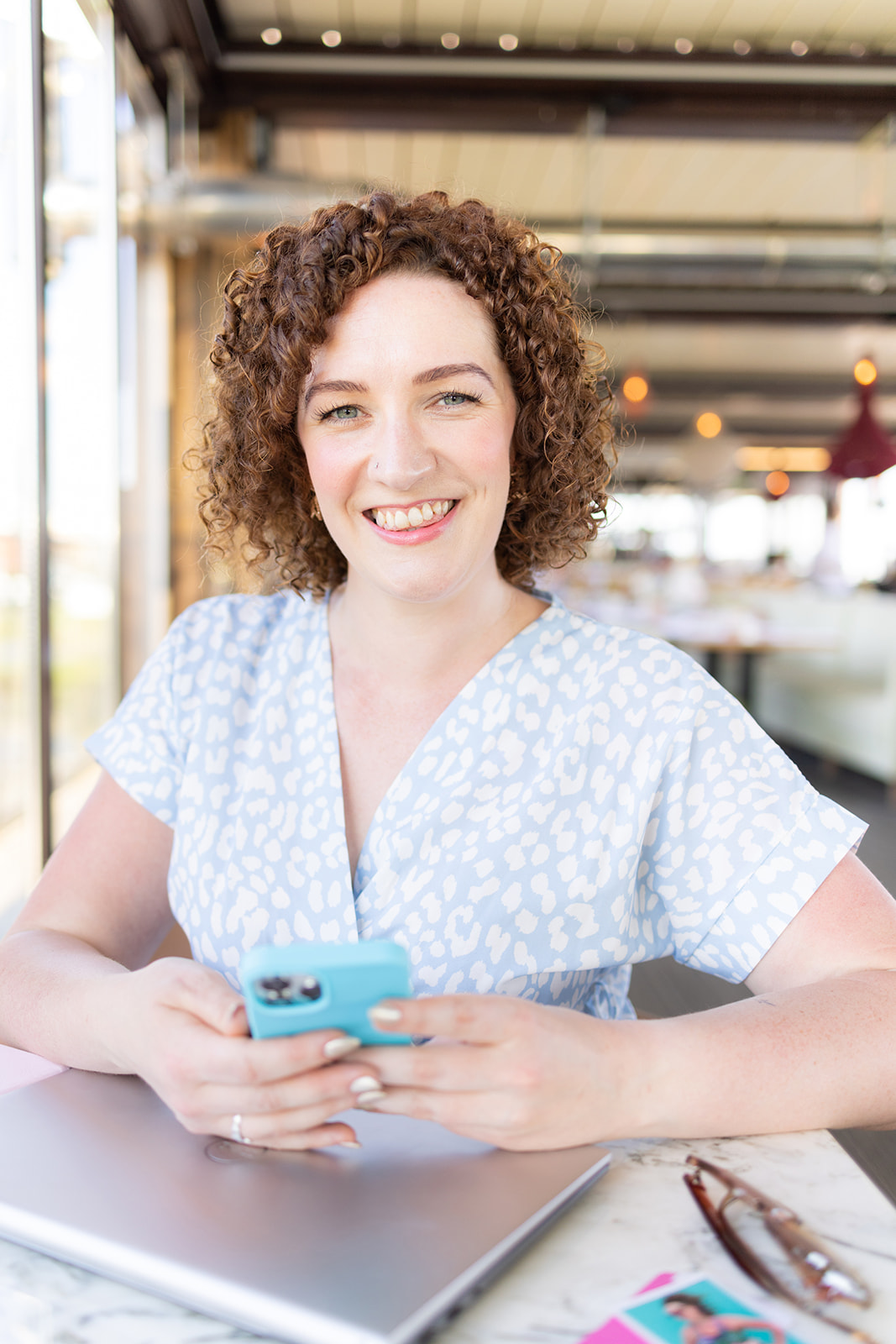
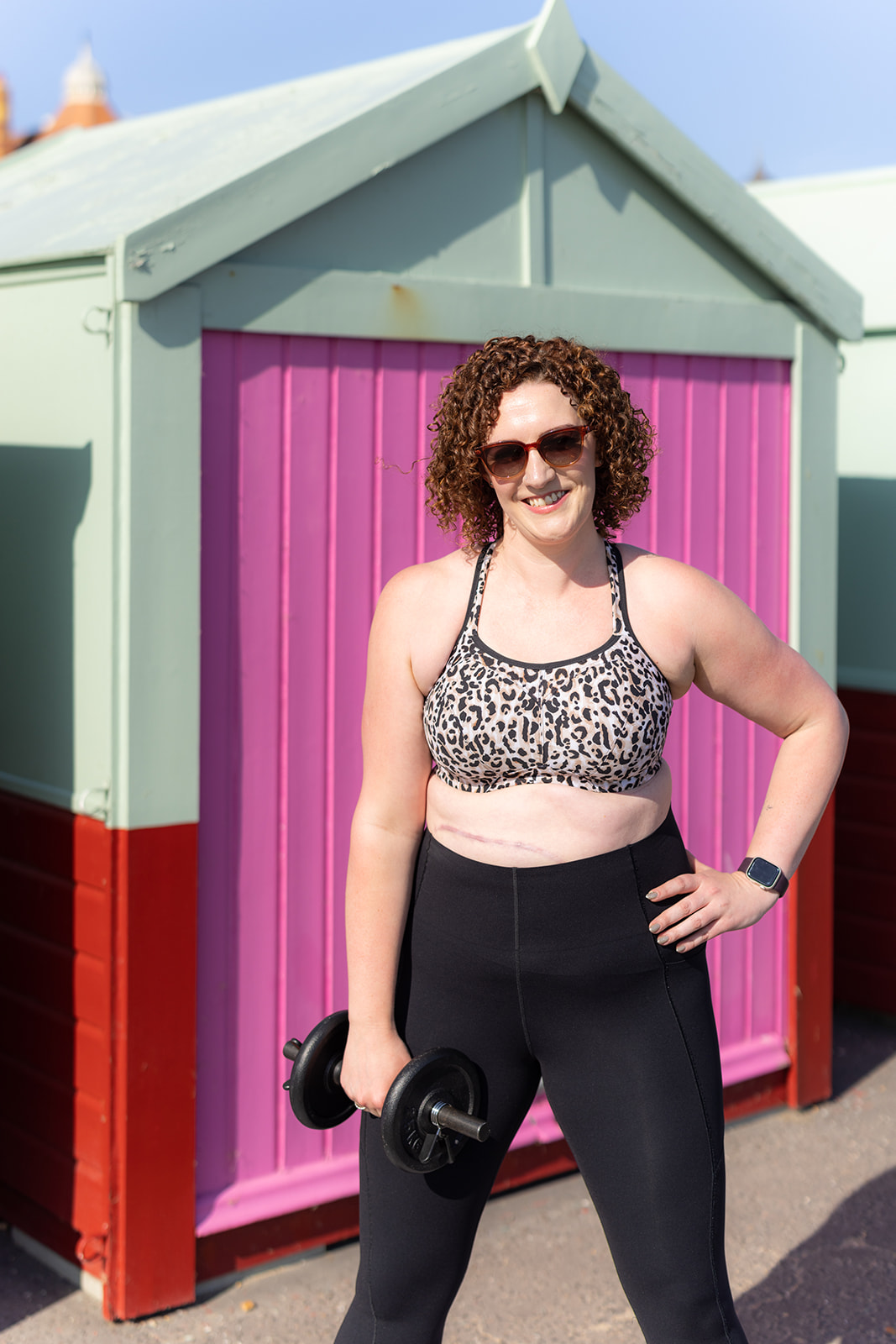
Cancer fitness specialists are still not as commonplace as they could be. Becky is a female cancer exercise personal trainer based in Horsham, West Sussex, and shares her tips on how to find someone like her, or what to do if there isn’t someone nearby…
Exercise is becoming a conversation that’s more commonly had between cancer patients and their doctors. However, it’s still far from the norm. When I was diagnosed with a sarcoma in 2018, aged 31 and with a reasonable prognosis of a positive result from treatment (plus the fact that, whatever happened, the specific type of tumour I had wouldn’t kill me), it was me who raised the conversation about exercise and lifestyle, not my doctor.
I found that shocking, and it ultimately led me down the road I’ve taken in qualifying to help other cancer patients and survivors. I didn’t think to look for a specialist personal trainer at the time – I didn’t know they existed, and I was working with a personal trainer I was comfortable with, but had I had a different type of cancer, or needed treatment beyond surgery, I may have thought to look for a specialist.
The reality is, I might not have found one local to me, so what would I do then?
How to find a cancer specialist personal trainer
If you’re reading this, you already have! You’ve likely landed here via a search engine or social media, but it’s also possible that you found me via Cancer Care Map. If I’m not local to you, this is a great place to look for someone. You can also try asking at your local cancer support centre, via online patient networks, or by asking your medical team…
What if nobody has a cancer fitness trainer recommendation?
I’d urge you to ask doctors within your team, even if you don’t think that they’ll know the answer. Whilst it may not help you if they don’t have a recommendation, you have potentially helped them and their future patients – some of how professionals gather information is by listening to what their patients ask them. It’s a bit chicken and egg: if they don’t know what their patients are interested in, how can they help?
Exercise isn’t – and probably never will be – a curative form of cancer treatment. However, it has been proven to reduce the risk of recurrence of some forms of cancer, and the mental and physical health benefits of exercise in general are already widely understood, so why shouldn’t cancer patients and survivors access those perks too?
It’s still often the case that many people think of cancer patients as delicate, or high-risk. Whilst in some situations this is true, it’s not the case for all people, and exercise is generally now recommended. As I like to put it: what’s the point in saving a life if the body isn’t capable of living it?
And how we live our lives and use our bodies is kind of determined by treatment side effects. Many cancer patients and survivors are familiar with their bodies altering dramatically and, like when we get a new car or appliance, there is a phase of learning how to use the equipment we now have. Adaptations may have to be made, and it’s ideal to have an expert to guide us.
There isn’t a cancer exercise specialist near me – what can I do?
As well as raising it with your team, it’s worth trying a couple of other things. You might be able to get in touch with an awarding body – I trained with CanRehab – and, whilst they cannot give out contact details, they may be able to share within their network that there is demand in your area, to let those who are on the qualification pathway know that you would like help.
Many fitness trainers also work remotely – some of us take online clients so, whilst we don’t live nearby and can’t offer face to face training, we might still be able to help you.
It’s also worth contacting the person you can find who is nearest – some may have capacity to travel further than you think, and the worst you’ll hear is, “I’m sorry, but I can’t help”.
There are lots of resources available online: some high-quality trainers offer advice for free via their social media pages, and this can help you to get started. It may be worth running the ideas past your medical team, or messaging the creator to double check that the exercises are appropriate for you before starting.
Finally, there are several books I’d recommend – I’ve read all of these, and paid for my copies, so I know what’s in them and that the advice is good:
As the industry progresses, I hope that more people continue to qualify as specialists – the demand is there! There may not be someone near to you at the moment, but I very much hope that this changes soon.