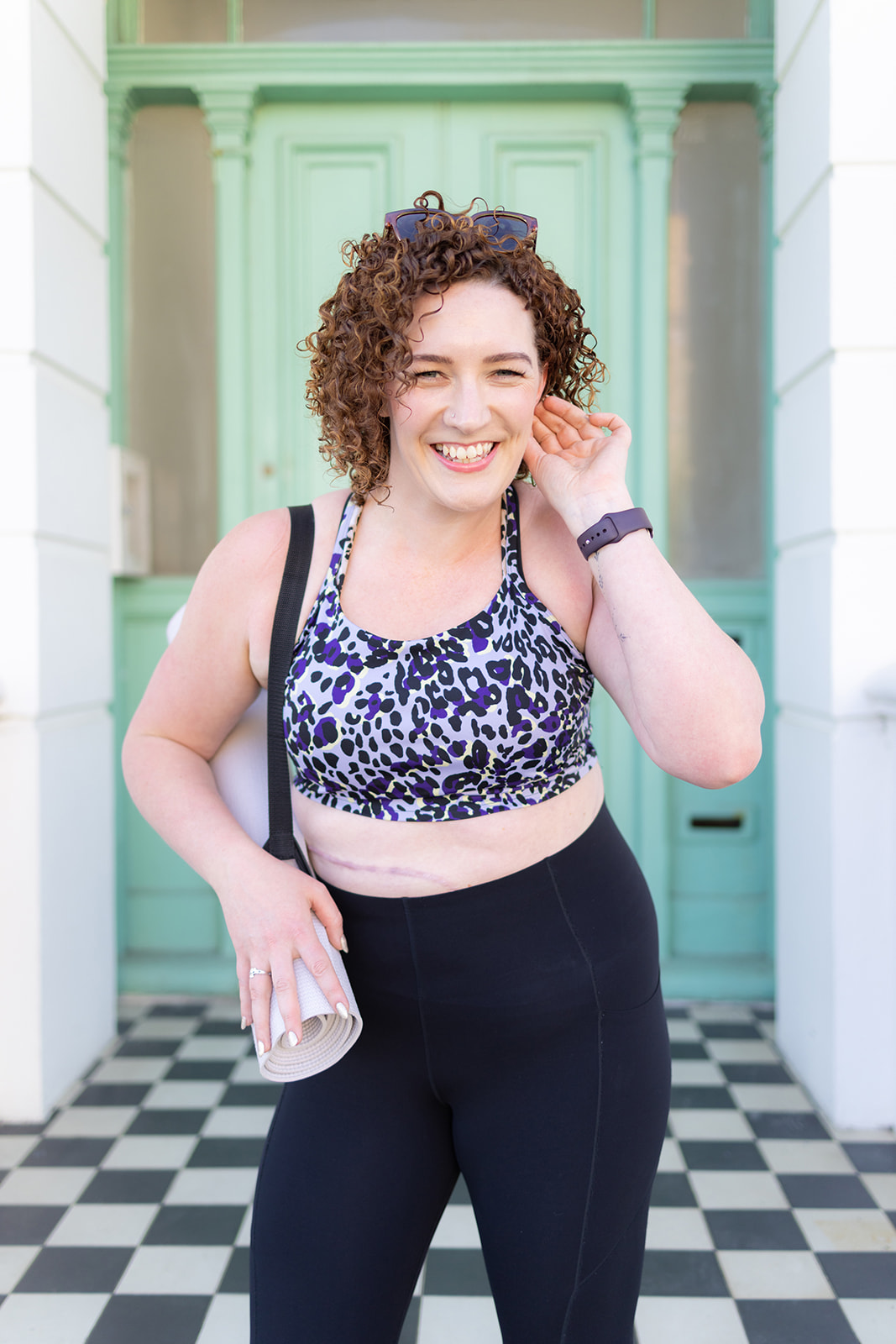
As technology evolves and the application of AI broadens, Horsham-based female personal trainer, Becky, considers whether ChatGPT could take on her job…
With the rapidly rising popularity of ChatGPT and other generative AI chatbots – technically known as large language models – I’ve been waiting for their usage to reach the point that they’d be a popular alternative to human fitness coaches. But are they really a direct replacement for personal trainers such as myself? Let’s take a look…
Can you swap a personal trainer for AI?
This was the question posed by a BBC News article at the very start of the year. As people were stirring from their Christmas and New Year rest, and beginning to contemplate the first steps of their 2026 fitness journey, the BBC wrote favourably about fitness apps. Two users shared positive experiences of using AI instead of human coaches, and I’m pleased that they’ve had success with a method that works for them.
However, like the personal trainer quoted in the article, I don’t think it’s fair to compare a robo app to a human professional.
AI for mental health support
Some people have spotted a trend, and recognise that what has already happened with mental health support and chat apps may be what’s beginning to happen with fitness. With professional mental health support often being costly, or hard to access (in both the sense that waiting lists can be long, and that it can be an intimidating situation to put yourself in), it’s unsurprising that people might turn to the internet for advice in this area.
However, difficulties have quickly been revealed: these apps are, after all, robots trained on machine learning – they are only as effective as the systems that have built them, which incorporates their biases and limitations. They also don’t tend to do well with nuance. Worryingly, what’s seen with some of the recently-launched options is how they tend to affirm the information a user provides them with, rather than providing a constructive or balanced response. This means that we have to be very careful what we ask of them. There have been instances reported of people asking questions in a certain way that makes the app actively encourage harm, rather than cautioning against it, for example – something that a human professional would hopefully never do, instead spotting the danger signs and providing immediate help to the best of their ability.
Should the fitness industry worry about ChatGPT?
Here’s the thing: fitness has been part of the internet since it first entered our homes, and then our pockets via smartphones. YouTube has long been a platform that professionals use to promote themselves, often by sharing free example workouts, yoga sessions, mobility tips, or any number of other styles of video. Other social media platforms also serve this function, and the topics broaden across all platforms to include nutrition, recovery, suggestions for equipment and kit.
The list is endless in terms of freely available and free to access information… and yet people still attend in-person classes, and still work with personal trainers.
As an industry, I think we should always concern ourselves with the quality of our output, and focus on what benefits those we work with. We also need to recognise that competition comes in a variety of forms, but that another key to consumer satisfaction is choice – there is no one size fits all solution to fitness, so the availability of a broad range of options is only a positive.
Is ChatGPT a good fitness coach?
Further to my previous point – it might be.
I still think that robots have their limitations in this way. As with some social media content – Pinterest is a real classic example of this one – I think that what apps like ChatGPT currently do best is share a list of exercises. My sense is that the advice given may often lack context – if we return to the thought that these apps are quite user-sensitive, and the response you get depends on what you ask, those who are inexperienced in fitness terms are at a disadvantage here. I know that I would’ve been in this position at the start of my journey – I wouldn’t have known what to ask, beyond simple questions such as, “how do I get stronger?”, and the response that you get may lack specificity, which is a key principle for fitness.
As the BBC article points out, there may not be a lot of accountability offered either, which is what a lot of personal training clients look for. Many of my clients tell me that they show up because they’ve booked an appointment – much like I do with the dentist! – and that they otherwise might not train. Accountability is a personal preference, but if you’re looking to get fitter, adherence to a programme isn’t optional – an app can’t force you to train, and you might be less likely to get out of bed when your alarm goes off, or go to the gym after a long day if there isn’t someone waiting there for you.
Good personal trainers truly tailor a client’s programme. We take into account goals, preferences, injuries, illness, strengths and weaknesses. We change our language when a cue isn’t working. We encourage improvement and apply gentle pressure within a session, as well as between them, meaning there’s an increased benefit in performance. And we entertain! I take an interest in who my clients are as people, what their lives are like, and engage in conversation throughout a session, with the result often being that they leave smiling and saying that the hour has flown.
Should you use ChatGPT instead of me? It’s your choice. If I’m the one for you, get in touch.