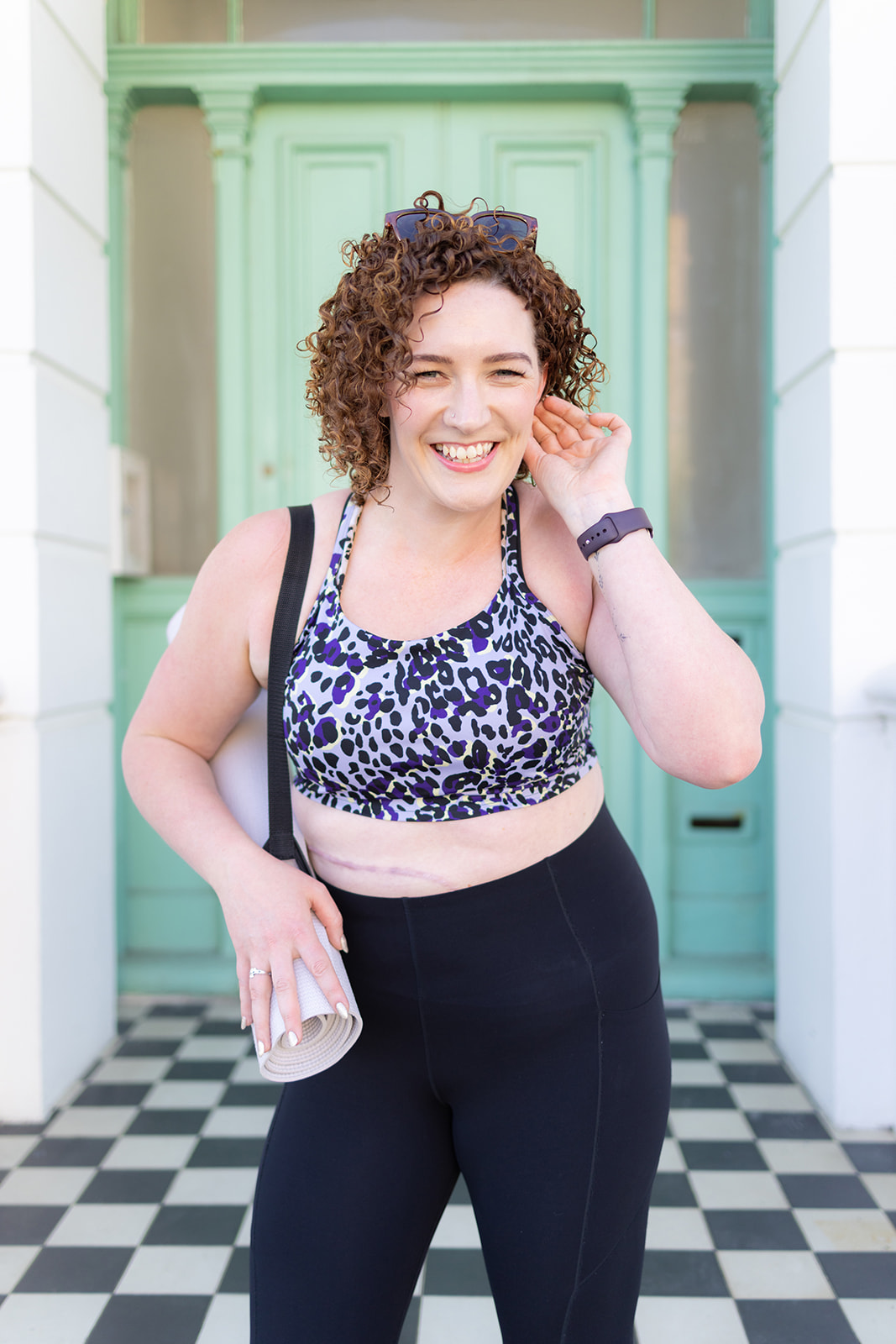
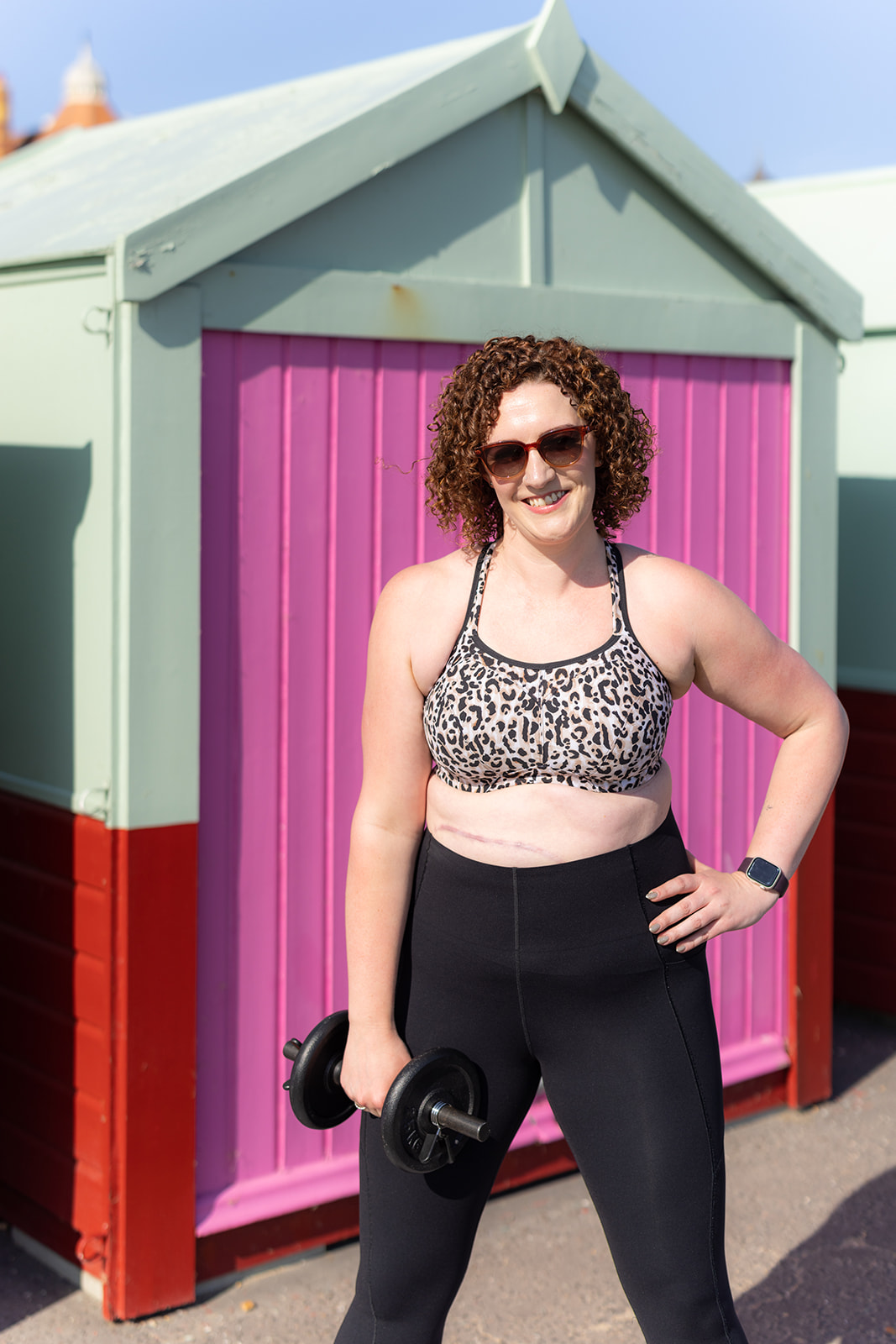
Horsham-based Becky is a female personal trainer working at an independent gym who specialises in rehabilitation. Here, she talks about what’s normal in terms of post-workout soreness…
I receive this question in a variety of formats, and it’s something that there’s clearly a lot of confusion on, so it’s time to try and sort that out! Let’s have a chat about what you might (or might not) feel post-workout…
Muscle soreness: what’s “normal”?
To start with the technical, if you’re pushing yourself to failure within a strength training session, some soreness in the days afterwards is probably to be expected. Delayed Onset Muscle Soreness (DOMS) actually peaks at 48-72 hours post-exertion, which is our first misconception – most people I speak to tend to think that they’ll be sore the day after a workout (and they might be), but that’s generally not when it’s worst.
A good workout should leave you feeling energised (thank you, endorphins) rather than exhausted, and the muscles you’ve worked may ache. You might also experience soreness when repeating any of the movements you’ve done, albeit in a different context. Good examples are going up or down stairs, getting in or out of a seat, and lifting things into or out of a cupboard. This is because your muscles have worked in that direction under load, and are feeling fatigued! They generally just need a bit of time to recover.
What if I don’t feel sore after a workout?
Contrary to popular belief, this doesn’t mean that you haven’t worked hard enough. Muscle soreness is just one potential outcome of a workout, and particularly if your goal isn’t to build strength (it might be to maintain it, or improve range of movement, or something else entirely), not having sore muscles is very normal.
As we get stronger, we also adapt – remember that what once was heavy, will become easier, and so if you’re either working at maintenance, or having a period of deloading (dialling your training back in order to recover or improve), you’re also likely to not be sore. It could also be that you’re learning a new skill, and therefore doing a new movement pattern (which also might cause soreness), which you’re not loading heavily (which may mean you’re not sore).
In short – it depends on a number of things! But not being sore is by no means a failure.
How much is too much muscle soreness?
This is a key thing to learn too! As you progress in training, it’s important to pay attention to what is normal for you, so that you can notice anything unusual. Soreness that lasts beyond 72-hours is something worth paying attention to. Any pain that is sharp, and not helped by rest or sleep is also worrying. Losing sensation entirely is a significant red flag, as is very dark and painful bruising – these are things that should be assessed urgently by a medical professional.
Pain is a challenging thing, because everyone experiences it differently, and that’s why knowing what’s normal for you matters.
Please also remember that the above list isn’t exhaustive – pay attention to your body and, if you’re concerned, seek medical advice.
How can I improve muscle soreness?
Firstly – keep training! This is a case where, the stronger you get, the better you tend to recover. Immediately after a workout, ensuring that you stay well hydrated is critical. Planning for a good night of sleep will also help, as should keeping your protein intake high, whilst adding some carbohydrates.
Some things that are underrated are keeping yourself moving gently (so not just going home or to work and sitting down for the rest of the day), and not bracing yourself for a lot of tension, which will make things worse – try to be relaxed.
Stretching at the end of the workout, particularly muscles you’ve focused on, should help. Some people like to add in other recovery elements such as an ice bath, sauna, massage gun, or foam roller, but these are really about preference and access in my opinion, they’re not essentials, but nice to haves.
Final thoughts on muscle soreness post-workout
To reiterate: everyone is different. Every workout is different. Think carefully about how hard you’ve pushed yourself physically, and what the aim of the session was before you panic unnecessarily. And finally: you have full permission from me as a personal trainer to not feel sore at all, and still appreciate that your workout was a positive step for you.
Want to work with someone who doesn’t leave you in bits? Get in touch