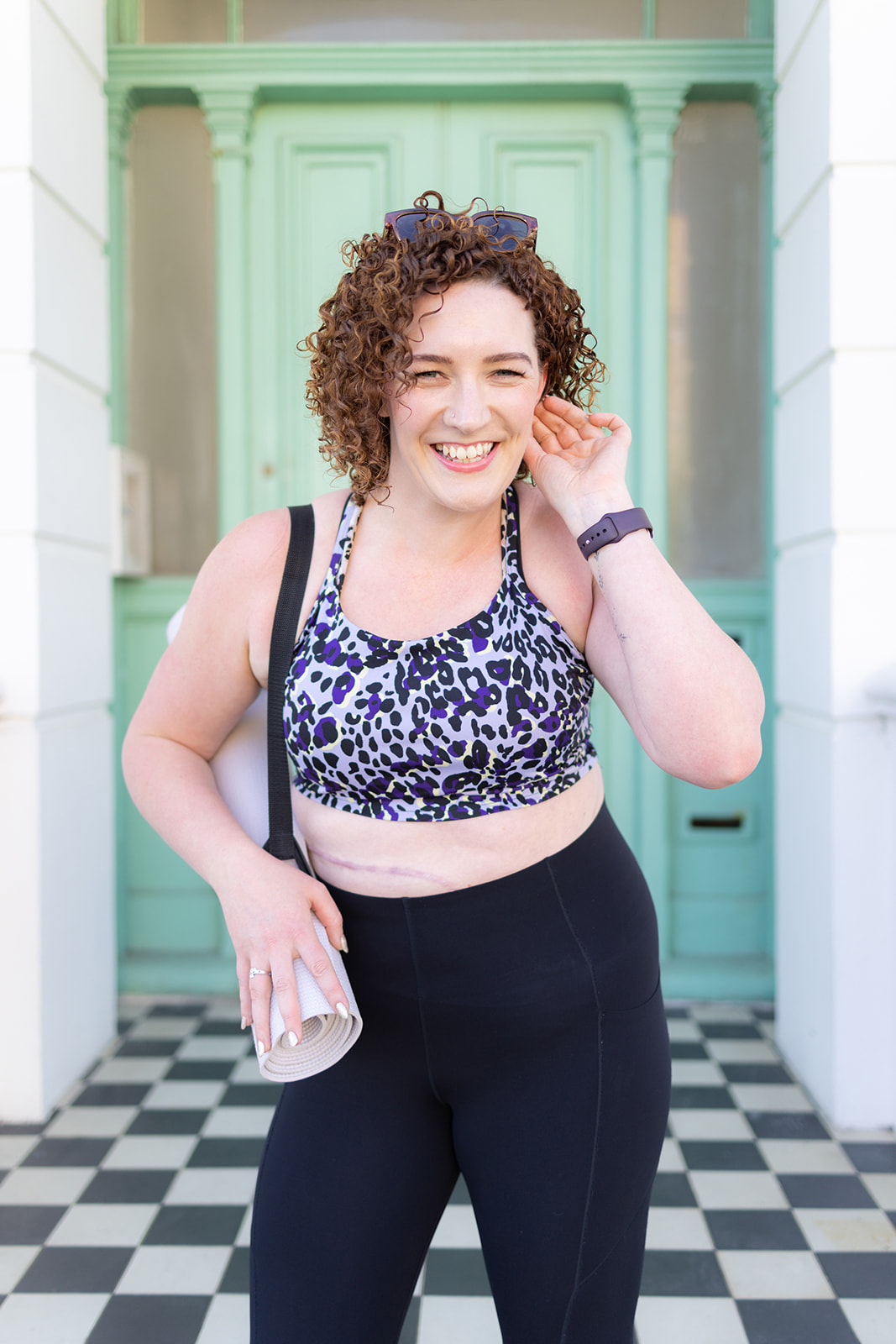
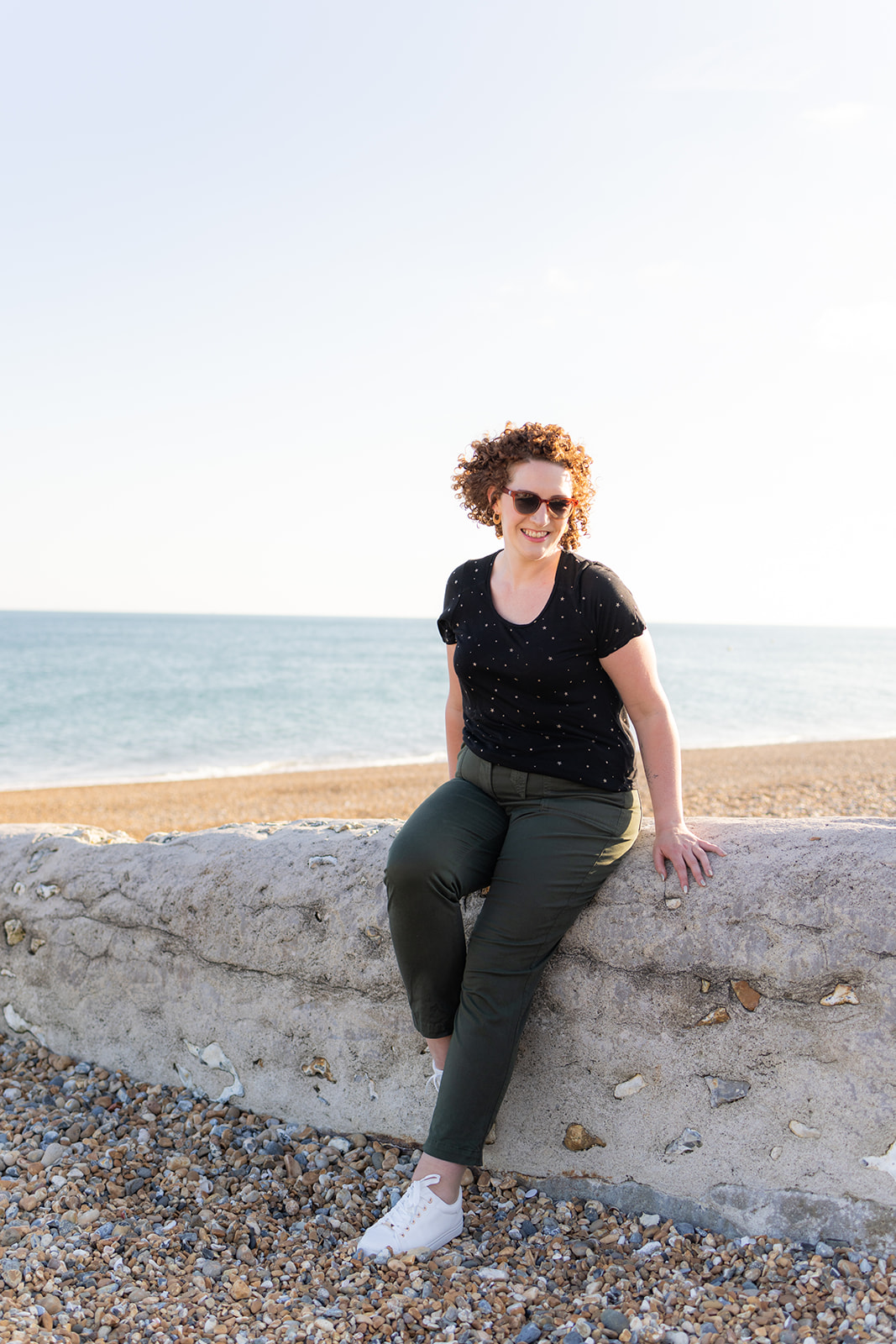
Becky is a female personal trainer based in West Sussex. She is pleased to now be offering pelvic floor rehabilitation coaching to people of all genders – read on to find out more…
I’m delighted to be adding a new service to my offering, to help people improve the strength and health of their pelvic floor. Whether it’s that you experience leakage or a prolapse of any kind, have sustained damage due to injury (or trauma due to pregnancy and birth), or feel that your ability to move could be improved by some better pelvic floor function, this package could be for you.
But first, what even is a pelvic floor, and why could it need rehab?
What is my pelvic floor?
This is a subject of some debate, so I’m not surprised that there’s a lot of confusion around this! The term “pelvic floor” tends to lead us to think that this is something to do with our hips or genitals. The truth is that these are elements of our pelvic floor, partly because no human body part exists in complete isolation.
When I discuss someone’s pelvic floor, I’m considering everything between their chest and the tops of their legs. Some people would refer to this as our trunk, and it incorporates all of our abdominal muscles, plus our hips, genitals and glutes, as well as our diaphragm. It’s worth considering other organs in this region too, given that our pelvic floor is part of our digestion – arguably our lungs play a part, and our bowel and bladder absolutely do.
What does my pelvic floor do?
Again, consider the anatomy: our pelvic floor is a system that performs a huge number of tasks on a daily basis. It’s part of our breathing and digestion, as well as controlling what exits our body via our bladder and bowel (so the function of going to the toilet). For those who do so, it’s a critical part of the process of pregnancy and birth (no matter what form the latter takes). The pelvic floor is also involved in our sexual function, and given that many of us are creatures that stand and move around, it also supports all of the body parts that sit on top of it!
When you think about it in those terms, it’s clear that our pelvic floor goes through a lot, particularly the muscles that sit across the bottom of the pelvis itself – a bit like a sling – and the importance of taking good care of it and building strength becomes obvious.
What is pelvic floor rehab?
Pelvic floor rehab is often needed post-pregnancy, but to only think of it in those terms is reductive. Our bodies change as we age, and as we go through wear and tear, so even those who have never been pregnant may experience changes. Lifestyle can be a factor, in terms of how active we are, but even things like coughs and colds, strenuous exercise, hormonal changes, and treatment of other health conditions can have an impact on this function.
Pelvic floor issues – particularly urinary incontinence, urgency in needing to use the loo, and faecal incontinence – are incredibly common. Whilst many people experience a lot of shame and embarrassment about these challenges, help is available, and could be easier to access than you think.
The training I have undergone follows current NICE (National Institute for Health and Care Excellence) guidelines, which state that a programme of exercises should be followed for 12 weeks before being reassessed by a medical professional. This means that I am able to support you with a specific exercise programme that should hopefully lead to improvement within this timeframe.
Although I am not a doctor or women’s health physiotherapist, and therefore not qualified to diagnose issues such as a pelvic organ prolapse (nor will I conduct any kind of physical examination), what I am able to do is discuss the symptoms you are experiencing, assess and improve your understanding and awareness of your pelvic floor, and coach you in completing effective pelvic floor exercises that you can incorporate into everyday life. I’m also able to support you with other lifestyle factors, such as relaxation of your pelvic floor if the tone of it is too high (sometimes described as tightness), and advising on more comfortable and effective methods of voiding your bladder and bowel.
How do I start pelvic floor exercises?
If this is something that you would like help with, please get in touch to book a consultation with me. This training will be provided online, or at locations near to my base in West Sussex. Whilst the consultation will involve an open conversation about tricky issues, please be reassured that I will handle this calmly and compassionately with the utmost discretion. Together, we can make a difference!
If you would like to find out more about the training provider I qualified with, please click here.